
Few things catch a new mother off guard like the shower drain at three or four months postpartum. You finally have a little sleep back, and suddenly your hair is coming out in handfuls. In more than 30 years of working in hair loss, and since founding Regrowth.com, I have heard this story from thousands of women. The good news comes first: postpartum hair loss is common, it is usually temporary, and for most women it resolves on its own. Here is what is actually happening, how long it lasts, what helps, and when it is worth seeing a doctor.
What Is Postpartum Hair Loss?
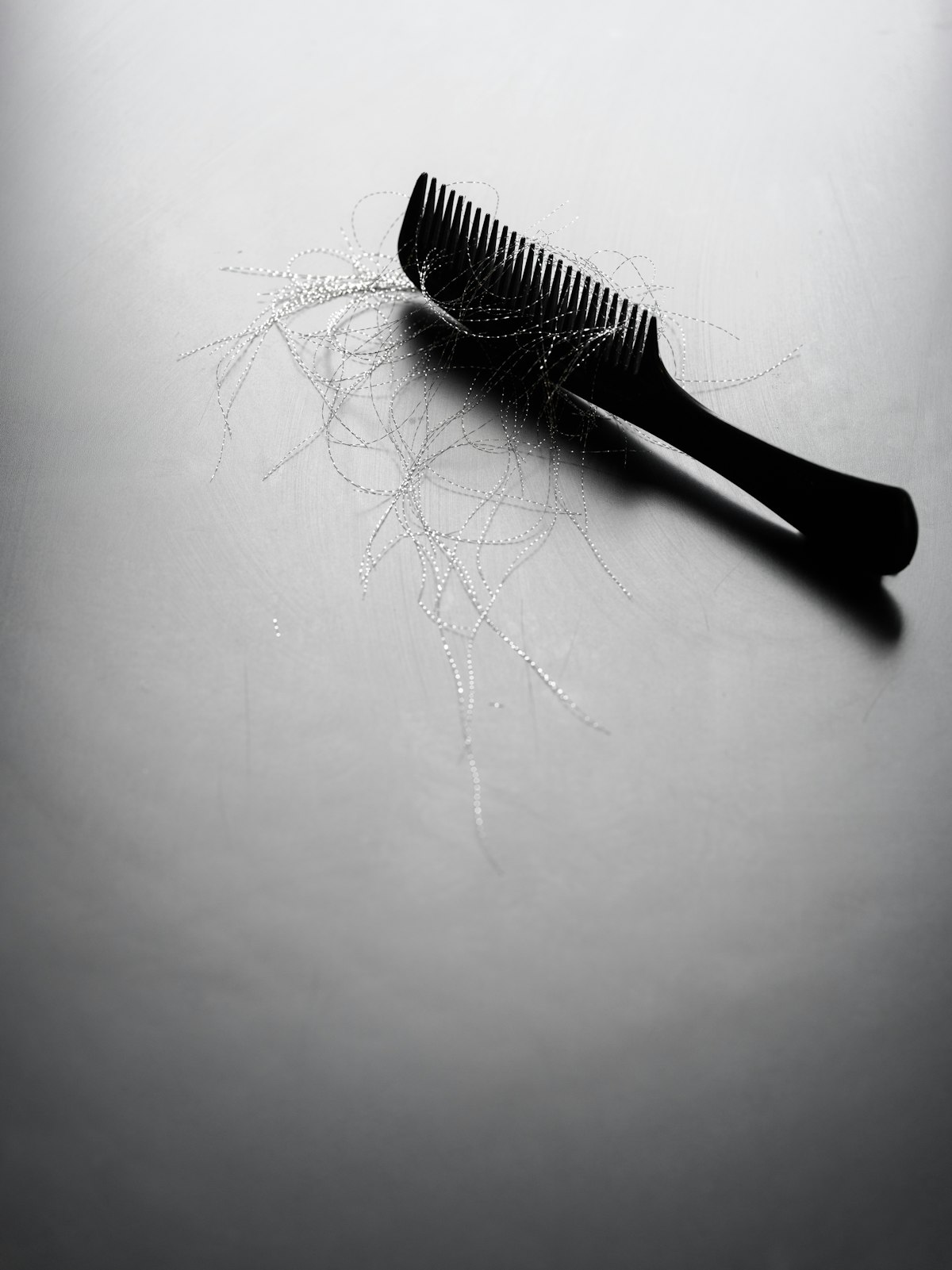
Postpartum hair loss is a form of telogen effluvium, the medical term for excessive shedding that follows a stressor on the body. Childbirth is one of the classic triggers, according to the American Academy of Dermatology (AAD).
Every hair on your scalp cycles through a growth phase (anagen), a short transition, and a resting phase (telogen) before it falls out and is replaced. During pregnancy, high estrogen levels keep more hairs in the growth phase, which is why many women notice thicker, fuller hair while pregnant. After delivery, estrogen drops, and that large group of "held over" hairs shifts into the resting phase together. A few months later, they shed together.
In other words, you are mostly losing the extra hair you kept during pregnancy, not the follicles themselves. The follicles stay alive and keep producing new hair.
When Does Postpartum Hair Loss Start and How Long Does It Last?
The AAD notes that shedding in new mothers usually starts about two months after delivery and peaks around four months (AAD). Most women see their hair return to its normal fullness by their baby's first birthday, and many recover sooner (AAD: Hair loss in new moms).
A typical postpartum hair timeline
- Pregnancy: Hair often feels thicker because less of it is shedding.
- Months 2 to 3 after delivery: Shedding becomes noticeable in the brush, the shower and on your pillow.
- Around month 4: Shedding usually peaks. The temples and hairline often look thinnest.
- Months 6 to 12: Shedding slows. Short new hairs ("baby hairs") appear along the hairline and part.
- By about 12 months: Most women are back to their usual fullness, though regrowing hairs take time to reach full length.
For perspective, the AAD says losing about 50 to 100 hairs a day is normal. During postpartum shedding, that number can be noticeably higher for a while (AAD).
Is It Postpartum Shedding or Something Else?
This is the angle most articles skip, and it is the one I care most about. Postpartum shedding can unmask, or overlap with, other causes of thinning. If your hair is not recovering on the usual timeline, one of these may be involved:
- Female pattern hair loss (androgenetic alopecia): Gradual thinning at the part and crown that does not bounce back. Pregnancy does not cause it, but the postpartum shed can make it obvious for the first time. Our guide to hair regrowth for women covers this in detail.
- Thyroid changes: Some women develop thyroid problems after delivery, and both an overactive and underactive thyroid can affect hair.
- Low iron or other nutritional gaps: Blood loss at delivery, breastfeeding demands and a hectic diet can all play a role.
- Ongoing stress or illness: The AAD notes that if a stressor continues, shedding can last much longer (AAD).
A simple rule of thumb: shedding that comes out evenly from all over the scalp and starts a few months after birth is classic postpartum hair loss. Thinning that is concentrated at the part or crown, patchy bald spots, scalp redness or pain, or shedding that is still going strong after a year deserves a professional look.
What Helps During Postpartum Hair Loss
Because postpartum shedding is driven by hormones, no shampoo or supplement can stop it outright. The goal is to protect the hair you have, make it look fuller while new growth comes in, and support your overall health.
Dermatologist-recommended styling tips
The AAD suggests a few practical steps (AAD):
- Use a volumizing shampoo, which can coat hair and make it look fuller.
- Skip heavy "conditioning" shampoos and intensive conditioners that weigh fine hair down.
- Use a conditioner made for fine hair and apply it mainly to the ends.
- Consider a shorter cut, which often looks fuller and is easier to manage with a newborn.
Be gentle with your hair
Tight ponytails, buns and braids pull on the hairline, which is already the thinnest area postpartum. Go easy on hot tools and chemical treatments, use a wide-tooth comb on wet hair, and let hair air-dry when you can.
Support your body
Keep taking a prenatal vitamin if your doctor recommends it, eat regular balanced meals with enough protein, and ask your doctor whether checking iron or thyroid levels makes sense, especially if you also feel unusually tired. Sleep is hard to come by with a baby, but rest and stress management matter for your hair and for you.
A safety note for new parents
Shed hairs can wrap tightly around a baby's finger or toe, a problem called a hair tourniquet. The AAD advises watching for this and getting medical help if a hair is too tight or embedded to remove (AAD).
What About Minoxidil and Other Treatments?
For classic postpartum shedding, treatment usually is not needed because the hair comes back on its own. Where things get more nuanced is when shedding reveals female pattern hair loss underneath. In that case, topical minoxidil is one of the most studied options, but if you are pregnant or breastfeeding, talk to your doctor or dermatologist before using it or any other hair loss medication. Prescription options are a conversation for your doctor, not the internet.
Once you are done nursing and your doctor agrees topical minoxidil makes sense, it is worth knowing the delivery format matters for comfort and consistency. Our Regenepure Precision 5% Minoxidil Spray is formulated for men, so women should ask their dermatologist which strength is right for them. For a broader view of what is worth your money, see our breakdown of hair regrowth products and our step-by-step guide on how to regrow hair.
When to See a Doctor or Dermatologist
The AAD recommends seeing a dermatologist if your hair has not regained its normal fullness after one year (AAD). I would add a few situations where you should not wait that long:
- Patchy, round bald spots
- Thinning mostly at the part or crown rather than all over
- Scalp itching, scaling, redness or pain
- Extreme fatigue, feeling cold or racing heartbeat along with shedding
- Shedding that is getting worse after month six instead of better
A dermatologist can examine your scalp, order blood work if needed and separate temporary shedding from conditions that benefit from early treatment.
Postpartum Hair Loss FAQ
Can I prevent postpartum hair loss?
Not completely. The shedding is driven by the normal drop in estrogen after delivery. Gentle hair care and good nutrition support healthy regrowth, but they will not stop the shed.
Does breastfeeding cause postpartum hair loss?
The main driver is the hormonal shift after birth, which happens whether or not you breastfeed. Some women notice timing differences when they wean, but the overall pattern is similar.
Will my hair grow back thinner after having a baby?
For most women, hair returns to its usual fullness within about a year (AAD). If it does not, an underlying cause such as female pattern hair loss may be involved, and that is worth a dermatologist visit.
Does postpartum hair loss happen with every pregnancy?
It can. Many women notice it after each delivery, though the amount often varies from one pregnancy to the next.
The Bottom Line
Postpartum hair loss looks dramatic, but in most cases it is your body resetting after pregnancy. Expect the shedding to start a couple of months after delivery, peak around four months and settle down over the following months, with fullness usually back by your baby's first birthday. Be patient, be gentle with your hair, take care of yourself, and see a dermatologist if recovery stalls or the pattern does not look like typical shedding. Thirty years in, I can tell you that understanding what is happening is half the battle.
Photos: Unsplash. This article is for general education and is not medical advice.